Seed Audio 1.0 不只適合角色配音,也能用來描述聲音場景:室內聽見的雨聲、腳步與開門的連續動作,或帶有音效點綴的配樂。對白、環境、擬音與音樂,都可以從具體的聽覺需求開始。
依聲音發生的順序寫提示詞:是什麼聲音、在前景還是背景、有多強,接著發生什麼。探索場景時用 T2A,需要參考音訊引導時再用 TA2A。
先聽三個聲音場景案例
以下三段是本次以 Seed Audio 1.0 新生成的案例,附上實際使用的英文提示詞,均未要求人聲。案例分別展示環境聲、動作擬音與配樂加音效,與後文的對白範本不同。三次都要求約 20 秒,播放器呈現實際輸出長度。
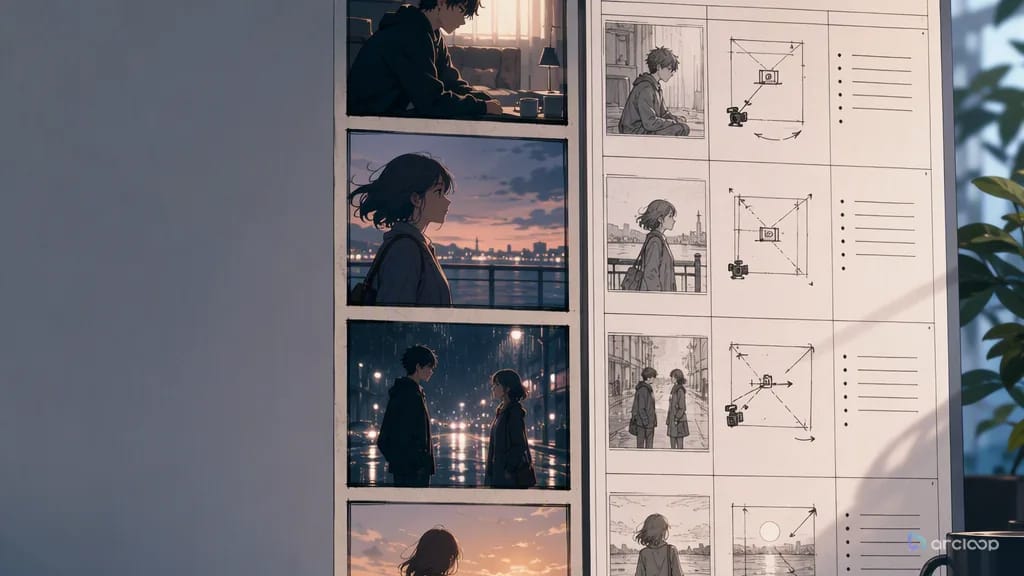
設計短片場景時,可以先透過 AI 短劇生成器 整理畫面構想,再依動作與節奏寫聲音腳本。
01 窗邊雨夜:環境聲
Seed Audio 1.0 · 純文字生成 · 未要求人聲 · 20.1s
留意持續雨聲、遠處雷聲的距離,以及結尾如何回到單獨的雨聲。提示詞應交代前景與背景,而不只是列出聲音。
Create a 20-second natural soundscape heard from inside a quiet room at night. Gentle rain taps the window throughout. Around the middle, one distant rumble of thunder swells and fades. End with rain alone. Keep the space intimate and the thunder soft. No speech, no singing, no music.
02 有人回家:依序安排擬音
Seed Audio 1.0 · 純文字生成 · 未要求人聲 · 16.2s
留意鑰匙、門鎖、開門、腳步與玻璃杯是否清楚,順序是否符合要求。成品約 16 秒,短於要求的 20 秒,剪輯前應確認實際長度。
Create a 20-second realistic Foley sequence in a quiet hallway. First, keys jingle close by. A key turns in a lock, then a wooden door opens with a soft creak. Three unhurried footsteps cross the room. A glass is set gently on a table. The door closes softly, leaving quiet room tone. Make each action distinct and keep this order. No speech, no singing, no music.
03 魔法小店:配樂與音效
Seed Audio 1.0 · 純文字生成 · 未要求人聲 · 20.1s
留意輕柔樂器、鈴聲與魔法音效的音量關係。配樂鋪底,音效提示動作,兩者各有明確用途。
Create a 20-second whimsical fantasy sound scene. Begin with light pizzicato strings and a gentle wooden flute. A tiny shop bell rings once; a short sparkling magical whoosh follows. The music briefly lifts as if a small wonder has appeared, then settles into a warm, quiet ending. Keep the bell and magic sound clear above the soft music. No speech, no singing.
先選擇 T2A 或 TA2A
T2A 是文字/圖片生成音訊,適合從零開始製作角色配音、旁白、短劇片段、虛擬主持人與有聲書段落。圖片可以提供角色外觀的線索,但每次只能使用一張,且不能與參考音訊合併輸入。
TA2A 是文字加參考音訊生成音訊,適合延續角色聲音。上傳 1 至 3 段參考音訊,或使用音色庫/複製音色,再於提示詞中明確指向 @audio1、@audio2 或 @voice1。
- 探索表演方向時,先用 T2A。
- 固定角色需要維持可辨識的聲音時,使用 TA2A。
- 多人對話要在提示詞內明確指定每位角色使用哪一段參考。
提示詞的主結構:按時間順序寫聲音腳本
不要只寫「情緒+台詞」。依序交代音樂怎麼開始、誰進場、角色 A 如何說話、中途出現什麼音效,以及角色 B 如何回應。
可以把它看成聲音分鏡:每個段落都說清楚誰在說、怎麼說,以及現場還聽得到什麼。
Music or ambience starts: style, instruments, rhythm, or space.
Speaker A (age, gender, voice texture, accent, emotion, role) says: "line."
SFX: what happens, how intense it is, how many times, or how long it lasts.
Speaker B responds with their own voice and delivery.
Ending: how music, footsteps, a door, phone distortion, or ambience resolves.
角色對白怎麼寫
角色指示可以放在第一次發言前,或整理成簡短的角色清單。多人場景要用姓名、身分或編號區分,僅寫「男聲」「女聲」不夠清楚。
描述可以包含年齡、性別、聲音質地、口音、情緒、角色身分、距離感與說話習慣。能實際聽見的行為,比抽象情緒詞更容易判斷。
- 可寫:低沉、沙啞、氣聲、電話失真、台灣口音、語速偏慢、句尾發顫。
- 單獨使用容易模糊:高級、破碎、電影感、宿命。請轉成具體可聽見的表現。
- 不要過度堆疊情緒,誇張的指示可能降低自然度。
音效與配樂也是提示詞的一部分
Seed Audio 1.0 可以在同一次生成中描述對白、音效、環境與音樂。音效不必使用專業素材庫術語,自然語言即可。
音效要交代先後、強弱、次數與持續時間;配樂則描述風格、主要樂器、節奏與情緒。不知道樂器名稱時,也可以直接說明想要的感受。
First, a phone vibrates. Birds continue in the background.
Music enters with marimba and strings, tense and suspenseful.
Then a faint car passes, a soft brake sound follows, and two high-heel footsteps land in the distance.
TA2A 的參考音訊怎麼寫
上傳參考檔案不代表模型自動知道用途。提示詞中仍要點名參考,並說明要沿用音色、情緒、語速,還是角色身分。
多段參考可以分別對應不同角色,也可以一段提供音色、另一段提供情緒與節奏。
Male lead (young adult male, low and restrained, refer to @audio1) lowers his voice: "When did you find out?"
Female lead (young woman, gentle but guarded, refer to @audio2) waits half a beat and replies: "The first time you lied."
Keep the music low and suspenseful. Add a faint phone-current noise at the end of the line.
可直接複製的 T2A 範本
先生成一版,再根據試聽結果,每次只調整音色、情緒、節奏或音效中的一項。
Music: a restrained low-frequency suspense bed enters first. Slow tempo, soft string texture.
Characters:
Lin Chen (young adult male, low raspy voice, slow pace, emotion held back, afraid but unwilling to admit it)
Xu Yao (young woman, clear but tired voice, slight trembling at line endings, trying to stay calm)

SFX: a phone vibrates once, then light rain continues.
Lin Chen lowers his voice and says: "Did you hear that? Someone is upstairs."
Xu Yao pauses for half a beat, inhales, and answers very softly: "Don't turn around. Keep walking."
SFX: a wooden door opens slowly in the distance. The low note in the music becomes heavier.
可直接複製的 TA2A 範本
已有角色參考音訊時,可以直接在提示詞中指定對應關係。
Reference mapping: @audio1 is the male lead. @audio2 is the female lead.
Music: soft piano and room ambience, warm but regretful.
Male lead (adult male, low, breathy, refer to @audio1) says with restraint and reluctance: "If I don't come back tomorrow, stop waiting."
Female lead (young woman, gentle, tearful, refer to @audio2) cuts him off softly: "Whether I wait is not your decision."
SFX: light rain outside the window. Leave two seconds of silence after the last line.
提示詞範例保留英文,方便與英文主稿對照。實際使用時,請依服務支援的語言調整台詞與指示;指南提供多語版本,不代表每個服務都能生成全部語言。
生成限制會影響提示詞長度
單次生成最長約 2 分鐘。輸入最多 3000 個字元,但為了聽感,建議實際發聲的文字控制在約 400 個中文字以內,或同樣簡短的其他語言段落。台詞過長可能導致語速加快或內容遭截斷。
參考音訊最多 3 段,每段最長 30 秒。每次可用一張參考圖片,但不能同時使用參考音訊。
- 短劇對白:拆成 30 至 90 秒的段落。
- 有聲書:按照情緒轉折拆分,不要一次輸入整章。
- 多角色場景:先確認各角色的聲音,再加入音效與配樂。
放進 Arcloop 工作流程時怎麼用
可以先在 AI 角色配音工具 中試聽角色聲音,再把選定版本放回場景。參考素材標記請依實際音訊服務顯示的寫法使用。
- 在角色設定中記錄年齡、聲音質地、口音、說話習慣與情緒界線。
- 將劇本拆成適合單次生成的片段,每段處理一個主要情緒轉折。
- 探索時用 T2A,固定角色時用 TA2A。
- 將有效的提示詞存入角色素材,失敗版本也保留原因註記。
- 把音訊放回分鏡或影片剪輯中檢查,不要只單獨試聽。
常見問題
與一般文字轉語音有什麼差別?
一般 TTS 著重朗讀文字;Seed Audio 1.0 可以生成同時包含對白、環境、音效與音樂的聲音場景。
提示詞越長越好嗎?
不是。要具體,但不要堆砌細節。先交代時間順序、說話者、台詞、音效與音樂,聽完再補充。
多人對話如何維持角色聲音?
使用 TA2A,為每位角色對應 @audioN,並在每次發言時標明角色與參考對象。
括號裡的動作會被念出來嗎?
有可能。重要動作可改寫成表演指示,或明確區隔指示與台詞。使用前務必試聽確認。