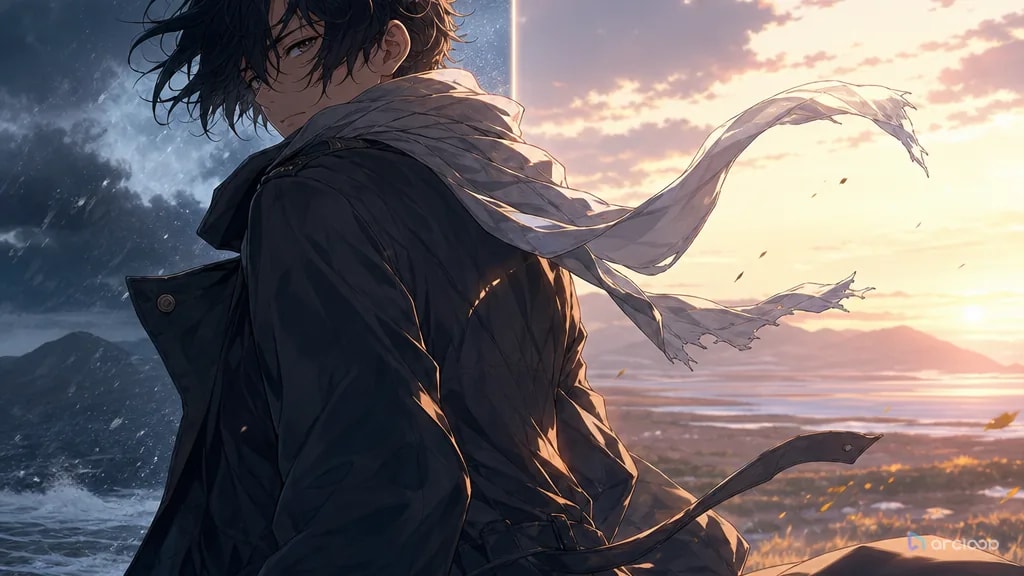
一张正常的脸突然变成夸张的表情,角色急停后衣摆还在摆动,雨滴落下时叶尖轻轻回弹——这些细小的变化,往往就是一个镜头的看点。用 AI 生成动漫视频时,2D 动画提示词可以从这些变化写起,再补上镜头、声音和先后顺序。
下面结合几段实际生成的短片,看看动漫表情、动作、空镜、情绪背景和特效各自怎么写。文中的英文引文节选自各案例的完整提示词,可以按需要替换角色和动作,也可以在 AI 动漫生成器中尝试这些写法。
先定义画风
画风最好写成独立段落,固定放在每条提示词的开头。多个镜头或分开生成的画面,都原样复用这一段,只调整各自的动作、场景和镜头描述。固定的措辞与结构有助于保持一致,但生成后仍需检查成片。
下面几种常见画风,可以选一种作为起点,再补充需要的线条、上色和背景。
| 画风 | 英文提示词 |
|---|---|
| 日式二维动漫 | Japanese 2D anime, clean linework, flat colors. |
| 手绘赛璐璐动画 | Hand-drawn 2D animation, flat cel shading, crisp shadow edges. |
| 水彩手绘动画 | Hand-drawn 2D watercolor animation, soft colors, painted backgrounds. |
| 经典手绘卡通 | Classic hand-drawn 2D cartoon animation, rounded shapes, expressive poses. |
| 炭笔素描动画 | 2D charcoal sketch animation, rough strokes, visible paper texture. |
LoRA 也能帮助统一画风,常见于支持 LoRA 的开源模型。使用时需要准备风格一致的素材,进行训练和调试;所需图片数量取决于目标和模型,并不一定需要大量数据。
参考垫图则更直接:先定下核心角色和场景的画风,再用作首帧或参考图。当模型支持相应功能时,多个镜头沿用同一组参考图,再配合固定的画风提示词,通常更容易保持画面一致。
夸张的动漫表情
夸张的动漫表情,就是在情绪变化的瞬间改变五官画法。一张比例正常的脸,受到惊吓时眼睛猛地撑大,反差立刻就出来了。写提示词时,重点交代眼睛怎么放大、瞳孔怎么缩成小点、嘴巴怎么拉长,或者哪些五官直接简化成线条。
要让观众看清这种切换,先后顺序很关键:先是正常表情,受到刺激的瞬间突然变形,停住片刻,必要时再恢复原样。留出停顿是为了让观众看清反应,不必硬卡秒数。如果配合分镜,可以把正常脸和夸张脸各备一张参考图,并注明两者之间是“突然切换”,避免模型把这一下短暂的反应当成常态造型。
也要写清楚哪些地方发生变形:是只动五官,还是整个人变成 Q 版小人?发型、发色或标志性配饰通常照旧保留。先把最核心的变化定下来,其余细节留一点余地。
下面这个案例里,角色先低头看手机,再猛地露出夸张的震惊脸。英文提示词让她先发出一声 “Huh?”,停顿一下,眼睛、瞳孔和嘴型才跟着变形,同时加上短促的音效和黄色放射线背景。核心就在于先停顿、再变形:
She freezes for a tiny beat, then her face snaps into an extreme anime shock expression: huge white oval eyes, tiny black dot pupils, and a long dropped jaw, with stiff raised shoulders.
成片里呈现的是白色大眼、额头阴影和咬紧的牙关,正常脸突然变形的反差保住了,只是五官的具体画法和文字描述有些出入。
MiniMax H3 Max · 6 秒 · 720p(由原生 768p 导出)· 有声
完整英文提示词
A six-second colorful hand-drawn 2D anime comedy shot, fixed camera, chest-up. A young adult woman with short dark teal hair, amber eyes, and a coral shirt holds a phone just below frame in a softly lit pale blue room. Begin with normal anime facial proportions and a relaxed face. During the first two seconds she glances down at the phone and clearly says in English, "Huh?", with synchronized mouth movement. Finish the word before the facial transformation. She freezes for a tiny beat, then her face snaps into an extreme anime shock expression: huge white oval eyes, tiny black dot pupils, and a long dropped jaw, with stiff raised shoulders. A brief yellow burst of radial lines replaces the room at the instant of shock. Hold this comically distorted face for the rest of the shot as she slowly raises her gaze toward the camera. Keep the same hairstyle, clothing, and character. Sharp timing, clean cel shading, subtle hair follow-through. Audible female voice saying only "Huh?", followed by a short cartoon pop exactly as the face changes, quiet room ambience, no music or subtitles.
动漫动作的节奏与力度
2D 动画的动作戏,可以比真人表演更夸张、更有张力。真人拍摄中难以完成的身体拉伸、空中转向和瞬间加速,都可以在动漫里表现出来。写动作提示词时,除了交代人物做什么,也可以写清楚动作有多夸张、哪里突然加速、哪里短暂停顿。
以一段雨巷打斗为例:少女猛地压低身体躲开刀锋,接着踢起一片水花干扰对手,趁势近身,再抽身撤开。身体先动,头发和衣摆慢半拍跟上,这种时间差让动作有了蓄力、爆发和收势的过程。
想进一步强化速度感,可以加入速度线、残像、拉伸变形,或者一两帧黑白冲击画面,但要写明它们出现的时机。比如残像只在快速闪避的那一瞬出现,速度线顺着移动方向拉开,落脚时用水花带出力道,随后画面恢复清晰。
如果结合分镜(storyboard),可以先画出避刀、踢水、近身、脱身这几个关键姿势,再用文字补齐中间的衔接。分镜里要写清楚人物在画面中的左右位置、移动方向,以及哪只手持刀。切换镜头时,武器是否出鞘、是否脱手,也要和前一个动作接得上。
下面的雨巷案例,把这段连续动作画进了一张九宫格。分镜整张生成后,先对部分手部和姿势做了调整,再交给视频模型生成。提示词除了指明读图顺序,也写明了动作的节奏特征:
Strictly follow the nine-panel storyboard in Image 1, reading left to right, top to bottom.
Sharp anticipation, explosive movement, brief impact holds, speed lines, and trailing hair and clothing.
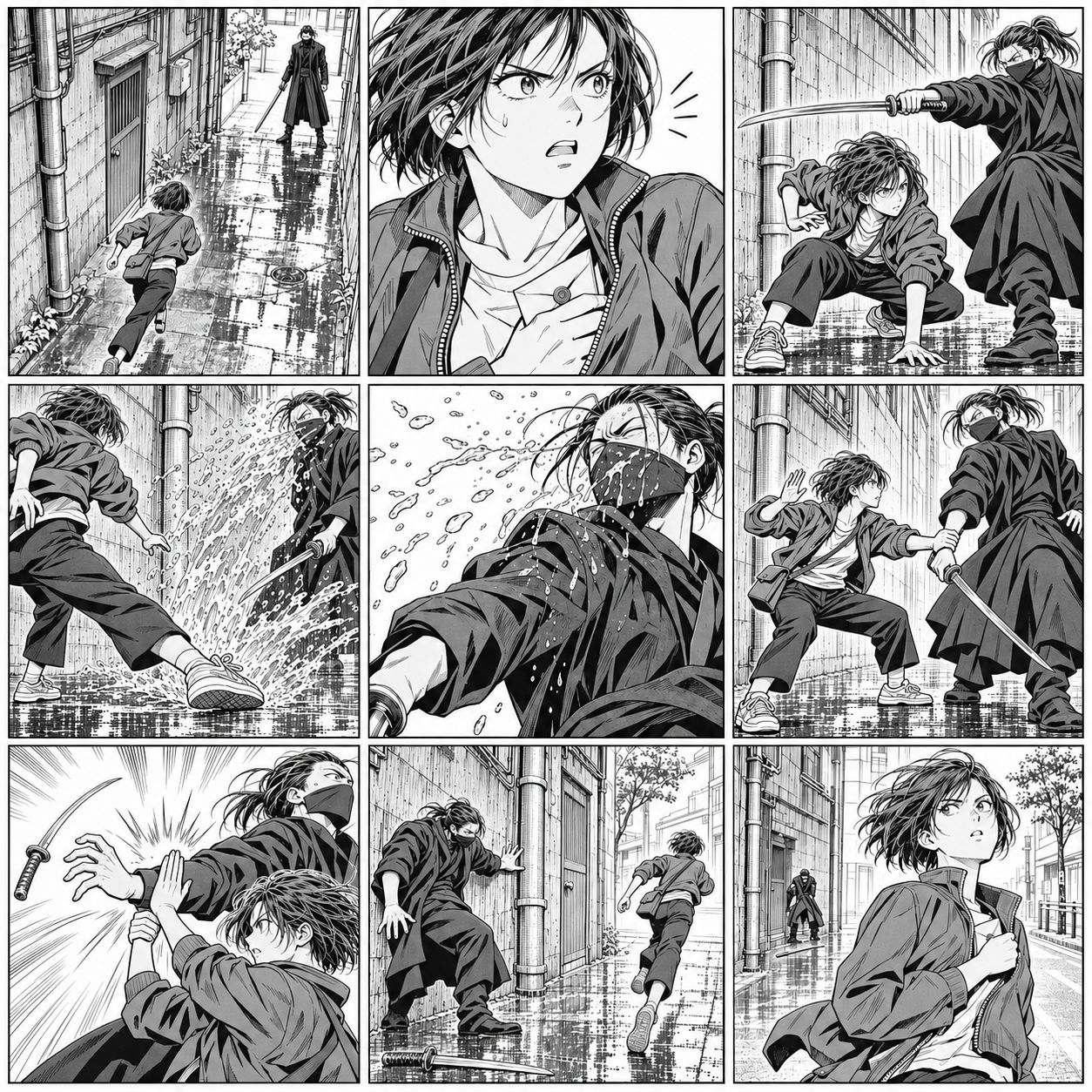
从成片看,分镜图里的动作张力保留得比较好。速度线和几个关键姿势,都通过快速出招、放慢动作和短暂停顿表现出来,快慢之间的变化让打斗更有力度。中段夺刀的停留稍长,结尾回望被省略,后续还可以通过剪辑调整。
Seedance 2.5 · 15 秒 · 720p · 有声
完整英文提示词
Strictly follow the nine-panel storyboard in Image 1, reading left to right, top to bottom. Expand each panel into a full-screen animated shot in this order:
1. A young adult female courier runs into a wet alley; a masked swordsman blocks the exit.
2. Close-up: she protects the sealed envelope inside her jacket and spots the threat.
3. He slashes horizontally; she crouches low, left palm on the ground, right hand near her chest, ducking beneath the blade.
4. She kicks a puddle, sending water toward his face.
5. Close-up: the splash makes him flinch and shut his eyes.
6. She rises into range, left hand gripping his right sword wrist, right palm drawn back.
7. Keeping that grip, she strikes his forearm with her right palm; his fingers release the sword.
8. The sword lands in the puddle and stays there as she slips past him toward the exit.
9. She looks back while protecting the envelope; he remains behind, empty-handed.
Render the monochrome reference as colorful hand-drawn 2D anime. Preserve character designs, clear arm anatomy, and alley geography. Sharp anticipation, explosive movement, brief impact holds, speed lines, and trailing hair and clothing. Continuous action across cuts; no panel borders, split screens, text, or slideshow. Synchronized rain, splashing footsteps, blade whooshes, impacts, and a metallic sword landing; no dialogue.
用动漫的镜头语言表现氛围
动漫可以用空镜、细小的动作和镜头之间的切换来表现氛围。比如清晨的雨滴顺着叶面滑落,镜头只拍一个细小的过程:水滴缓缓移动,在叶尖悬停,落下,叶片轻轻回弹。描述时顺着这个顺序写,给“悬停”和“落下”留出时间,画面才看得清楚。
光线和背景也要写清楚。比如晨光穿过水滴,背景是柔和、模糊的色块。再说明镜头保持不动,多停留一会儿,避免模型加上多余的镜头运动。
同样的写法也适合其他日常细节:微风里窗帘慢慢鼓起又落下,杯口升起并散开的热气,或是雨滴落进水洼激起的一圈圈涟漪。把这些记录小动作的镜头按视线转移的顺序接起来,就是一段自然、舒缓的动画开场。
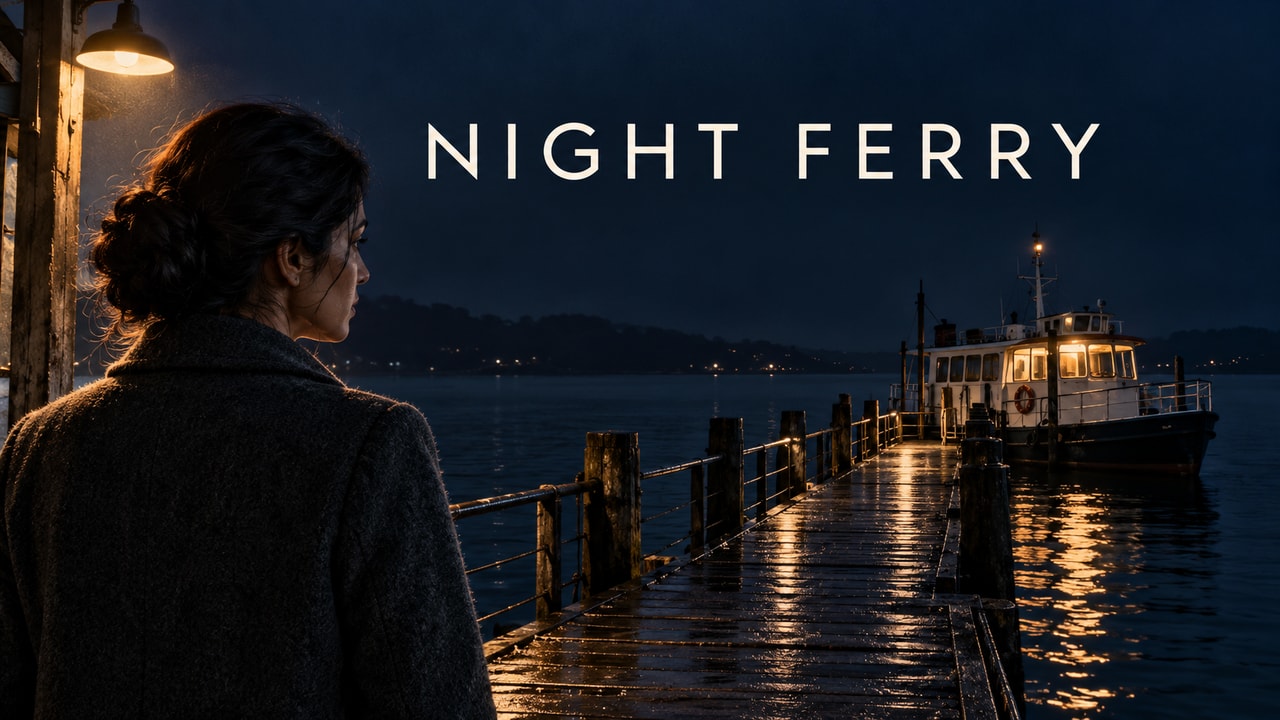
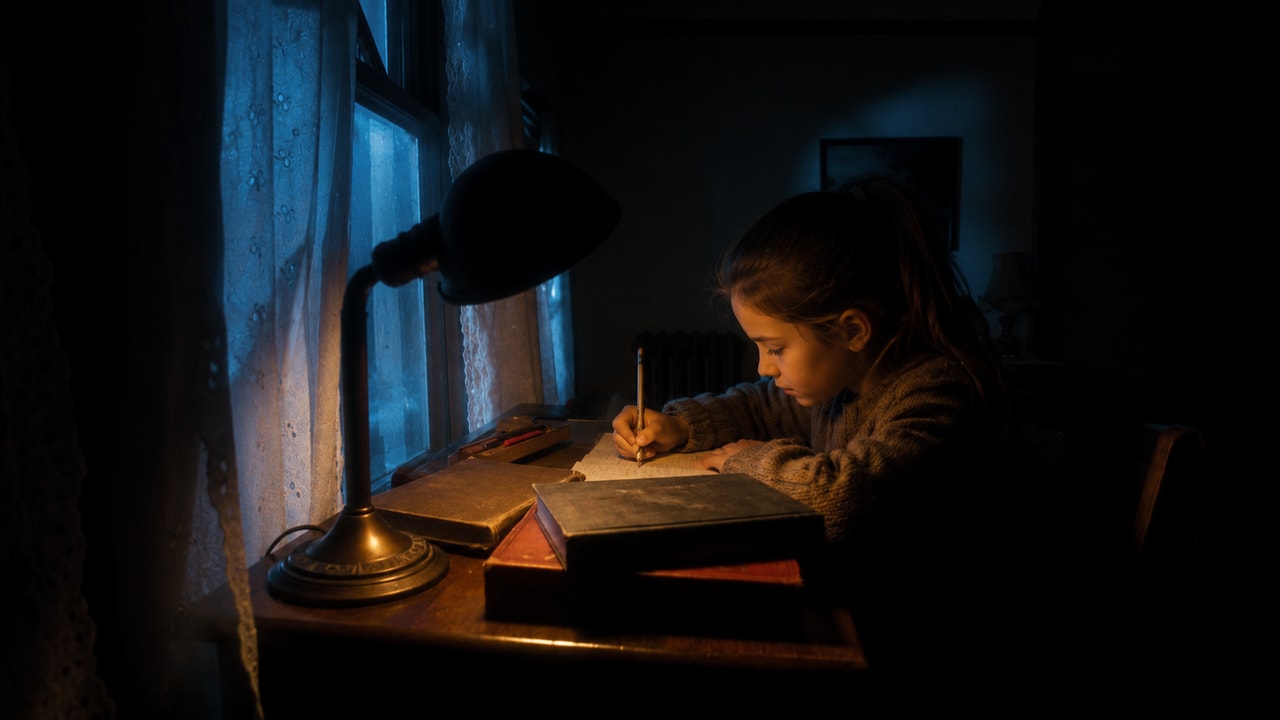
下面这个用 MiniMax H3 生成的案例,先拍雨后叶尖的水滴,再切进教室:角色从书本上抬起眼,慢慢转头望向窗外。两个镜头都保持二维手绘画风。提示词把蝉鸣设为贯穿两段的环境声,再交代滴水声和窗帘声各自进入的时机。
Exactly two shots, with a clean cut at four seconds.
Audio: clearly audible summer cicadas continue across both shots, a delicate drop sound in the opening, faint wind and curtain rustle in the classroom.
MiniMax H3 · 约 10 秒 · 720p(由原生 768p 导出)· 有声
完整英文提示词
A ten-second Japanese 2D anime scene with synchronized summer ambience. Both shots share the same hand-drawn animation style: visible ink contours, simplified painted shapes, flat cel-shaded colors, and softly painted backgrounds. Exactly two shots, with a clean cut at four seconds.
0-4 seconds: A still close-up of a green leaf outside a school after a summer shower. Draw the leaf and raindrop as anime artwork, with simple outlined shapes and stylized white highlight strokes. A single drop slides slowly toward the tip, hangs briefly, then falls; the leaf tip gently springs back. The background is a softly painted wash of green trees and warm summer light. Avoid photographic macro textures, photorealism, or 3D rendering.
4-10 seconds: Cut to a quiet classroom drawn in the same 2D anime style. A young adult student with short dark teal hair sits at a wooden desk beside an open window on screen left. Fixed medium-wide three-quarter view from the aisle. She looks down at an open book, lifts her eyes, then slowly turns her head left to gaze outside. Hold her quiet gaze. A thin curtain and a few strands of hair move gently in the breeze. No further cuts or zooms.
Audio: clearly audible summer cicadas continue across both shots, a delicate drop sound in the opening, faint wind and curtain rustle in the classroom. No dialogue, music, subtitles, or text.
用背景变化表现人物情绪
动漫可以靠背景的突然变化,把人物的心情直接画出来。人物还站在原地,身后的教室却瞬间消失,只剩一片灰蓝色的空旷背景;再吹过一阵风,人物僵在原地,尴尬和受挫的感觉就很明显了。表情、姿态、背景和声音可以一起表现人物的情绪。
写这类镜头,理清触发和变化的顺序即可:什么话或动作引出了情绪,原本的背景怎么消失、换成了什么,人物又跟着做出什么反应。比如听到一句话后,教室消失,人物褪成灰色、短暂“石化”,头发被风吹起,接着留出一小段沉默。保持人物的位置、发型和服装一致,再让表情、姿态和背景随情绪变化,前后镜头会更容易衔接。
下面的案例里,“That wasn't a compliment.”(那可不是在夸你。)是一句画外旁白,人物不开口,只通过眼神和姿态作出反应。背景抽离之后,一阵风吹动头发,画面停在受打击的表情上。英文提示词里分别写明了背景切换的时间点,以及人物保持沉默:
At 2 seconds, the classroom vanishes in a single frame, replaced by a completely empty pale blue-gray backdrop.
The woman does not speak or lip-sync.
MiniMax H3 · 约 5 秒 · 768p · 有声
完整英文提示词
A five-second Japanese TV anime comedy shot. Refined Japanese anime character design, expressive eyes, delicate ink contours, restrained cel shading, softly painted classroom background, and snappy limited-animation timing. One fixed waist-up shot of a young adult woman with short dark teal hair and a coral jacket.
0-2 seconds: She stands silently in the classroom with a small proud CLOSED-MOUTH smile. An adult MALE NARRATOR, heard only as non-diegetic voice-over, dryly says in English: "That wasn't a compliment." The narrator is outside the story and never appears on screen. The woman does not speak or lip-sync. Her lips remain closed and motionless throughout the entire clip, including while the narration plays.
At 2 seconds, the classroom vanishes in a single frame, replaced by a completely empty pale blue-gray backdrop. All desks, walls, windows, and blackboards disappear. Keep the woman in the same position.
2-5 seconds: Her closed smile becomes a tiny CLOSED stunned line; her eyes droop blankly and her shoulders sag. Her skin and clothes turn stone gray with a few fine drawn crack lines: the Japanese anime gag of being petrified by embarrassment. Her body freezes. A single dry gust crosses the blank backdrop, marked by brief hand-drawn wind streaks; only her hair tips and jacket hem flutter once. Hold the awkward stillness.
Audio: off-screen male narration first, then a lonely wind whoosh fading into silence. No voice from the woman, mouth movement, music, flowers, sparkles, subtitles, camera moves, or extra cuts.
动漫特效,动漫特效,还是动漫特效
动漫里常有魔法、超能力或武术特效:魔法阵一层层展开,幽火飘动,电流沿着刀刃跳跃,气浪随招式向外扩散。特效的形状、方向和出现的时机,本身就在交代角色怎么蓄力、如何出招。
以拔刀引出闪电为例:刀刚出鞘一半时先停一下,蓝光沿着露出的钢刃亮起,细小的分叉电流在刀身和鞘口附近跳动。接着人物踏步抽刀,蓄好的电流随着挥斩甩成一道电弧,向前掠过,又很快消散。前面先停顿蓄力、后面再挥刀释放,出招的节奏就清楚了。
写提示词时,可以把特效的外观和运动轨迹拆开描述。比如电光中间是一条明亮的细线,向外分出尖锐的枝状电流,边缘快速闪烁;挥出后顺着刀路展开,并短暂照亮手部、衣服和地面。如果配合分镜,先用中景定住姿态,再切到半出鞘的特写,最后给全身镜头表现抽刀和电弧释放,细节和大动作就都有展示的时间。
下面这段提示词就把“半出鞘后停顿”单独拆成一个动作,再写明蓝光和电流出现的位置:
He slowly draws the katana HALFWAY OUT and pauses. Half the steel blade remains inside the scabbard. Blue light runs along the exposed steel; fine branching lightning filaments crawl and snap between the blade and scabbard mouth.
Seedance 2 Fast · 约 7 秒 · 720p · 有声
完整英文提示词
A seven-second colorful 2D Korean action-manhwa sequence, three connected shots. A strikingly handsome adult male swordsman with layered black hair and sharp eyes wears a fitted modern black jacket over a gray shirt, dark trousers, and black boots. He stands on a quiet city street at night, a single katana sheathed at his left hip. Refined webtoon linework, elegant proportions, polished cel shading, and cool cinematic lighting.
0-2 seconds, medium three-quarter shot: He lowers his center of gravity and turns his torso slightly, right hand closing around the sword hilt while his left hand firmly holds the scabbard. His jacket shifts with the preparation.
2-4 seconds, tight close-up framing the hilt, exposed blade, and scabbard mouth: He slowly draws the katana HALFWAY OUT and pauses. Half the steel blade remains inside the scabbard. Blue light runs along the exposed steel; fine branching lightning filaments crawl and snap between the blade and scabbard mouth. Clearly show the half-drawn sword.
4-7 seconds, wide side view: He suddenly steps forward, rotates his hips, and completes the draw in one explosive sweeping slash toward screen right. The sword releases a single brilliant blue electric arc that races forward, its narrow crescent edge branching into jagged bolts before vanishing. He finishes in a stable low stance, fully drawn sword visible, coat hem trailing. Keep the sword and hands anatomically clear and continuous across cuts. Lightning has sharp branching shapes and rapid flicker, not flame-like movement.
Audio: quiet night ambience, a metallic blade sliding from the sheath, close electrical crackles during the pause, then a sharp unsheathing snap and powerful electric whoosh at the slash. No dialogue, music, text, or panel borders.
多种特效配合:风、冰、雷的分工
如果把几种元素放进同一场战斗,最好让它们各有分工。风帮剑士闪开重斩,顺势为接下来的突进加速;冰沿地面蔓延,封住对手的前脚;雷电沿刀刃蓄力,留到兵刃交锋时爆发。
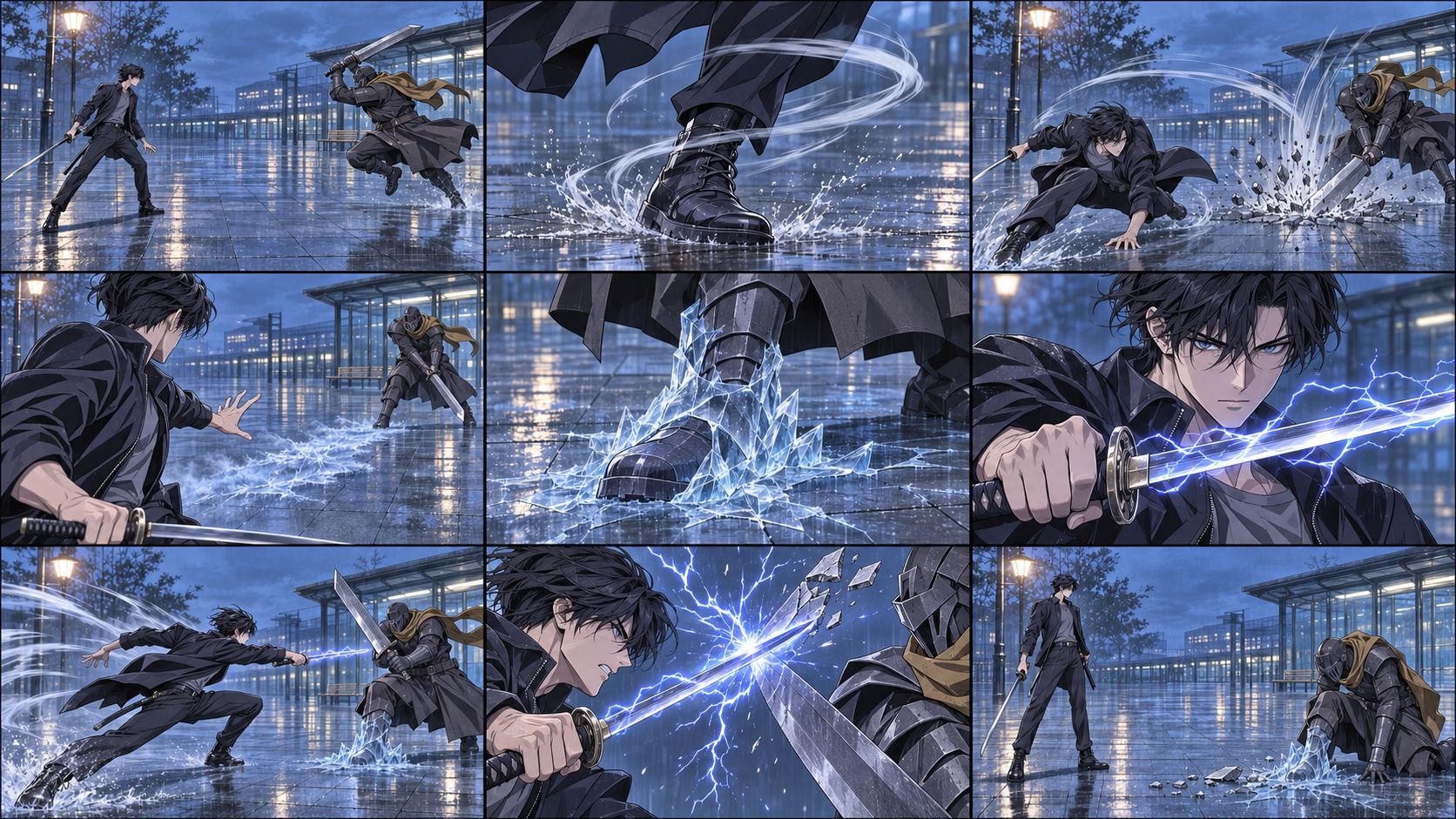
下面的九宫格把这个过程拆成了几个关键镜头:全景交代双方位置,脚步特写引出风,越肩镜头表现冰霜推进,再用冰封脚部和刀身蓄雷的近景,为最后的突进做准备。写视频提示词时,顺着这个分镜顺序,补上每个动作怎么起头、特效往哪个方向走,以及交锋之后留下什么痕迹。
完整提示词是按镜头逐一展开的,下面这句则概括了三种元素在整场戏里的作用:
Wind redirects and accelerates the hero; ice traps the enemy; lightning wins the clash.
Seedance 2.5 · 约 15 秒 · 720p · 有声
完整英文提示词
Strictly follow Image 1 as a nine-shot storyboard, reading left to right, top to bottom. Create a continuous fifteen-second colorful 2D Korean action-manhwa fight. Preserve both character designs, modern clothing, weapons, elemental effects, wet station plaza, streetlamp and transit shelter. Expand every panel into a full-screen moving shot, removing the grid and borders.
1. 0-1.5s, wide: the handsome black-haired swordsman stands screen left; the masked armored opponent charges from screen right with his broad sword raised.
2. 1.5-2s, low foot insert: the hero pivots in a puddle as pale wind coils around his boot.
3. 2-4s, side action shot: a wind-driven dodge carries the hero into the left foreground; the enemy's heavy slash strikes his former position, scattering wet stone chips.
4. 4-5.5s, over the hero's shoulder: his free LEFT palm sends frost across the paving toward the enemy. His RIGHT hand continues holding the drawn katana.
5. 5.5-6.5s, low close-up: sharp ice locks the enemy's forward boot to the ground and interrupts his movement.
6. 6.5-8s, face-and-blade close-up: the hero focuses; fine branching blue lightning gathers along his intact katana. The sword remains drawn.
7. 8-10s, low wide: wind propels a forceful left-to-right lunge, hips turning and jacket trailing. The enemy cannot retreat because his boot is frozen, and raises his broad sword to guard.
8. 10-12s, tight weapon clash: the katana meets the broad sword; a brilliant electric arc bursts at contact and breaks the broad sword's tip. Keep the hero's katana intact and show readable blade contact.
9. 12-15s, wide aftermath: the opponent kneels at right with the visibly broken weapon and cracked ice around his boot. The hero settles at left into a controlled finishing stance. Wind, blue sparks and ice fragments subside.
Use motivated match-action cuts, sharp acceleration and brief impact holds, detailed hand-drawn effects and clear anatomy. Preserve screen direction and weapon continuity. Wind redirects and accelerates the hero; ice traps the enemy; lightning wins the clash. No slideshow, split screens, text, extra characters, or extra attacks.
Audio: synchronized splashing footsteps, wind bursts, heavy sword impact, spreading ice and freezing cracks, electrical crackles, steel collision and breaking metal, fading plaza ambience. No dialogue or music.
小结
回顾这六个案例,2D 动画提示词的写法有几个共通之处:把画面变化的先后顺序理清楚,在关键瞬间留出停顿;划定变化的范围,明确哪些保持原样、哪些发生改变;声音和镜头切换也顺着时间线交代。遇到动作复杂的段落,可以先用分镜把关键姿势定下来,生成视频后再对照成片检查节奏,不够顺畅的地方交给剪辑去调整。