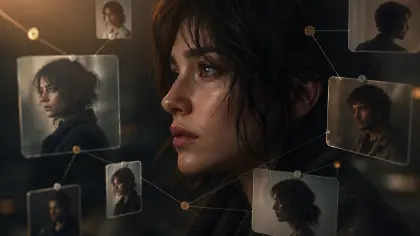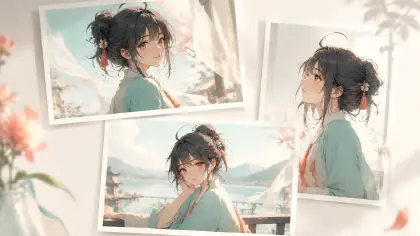
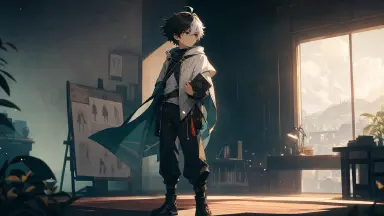
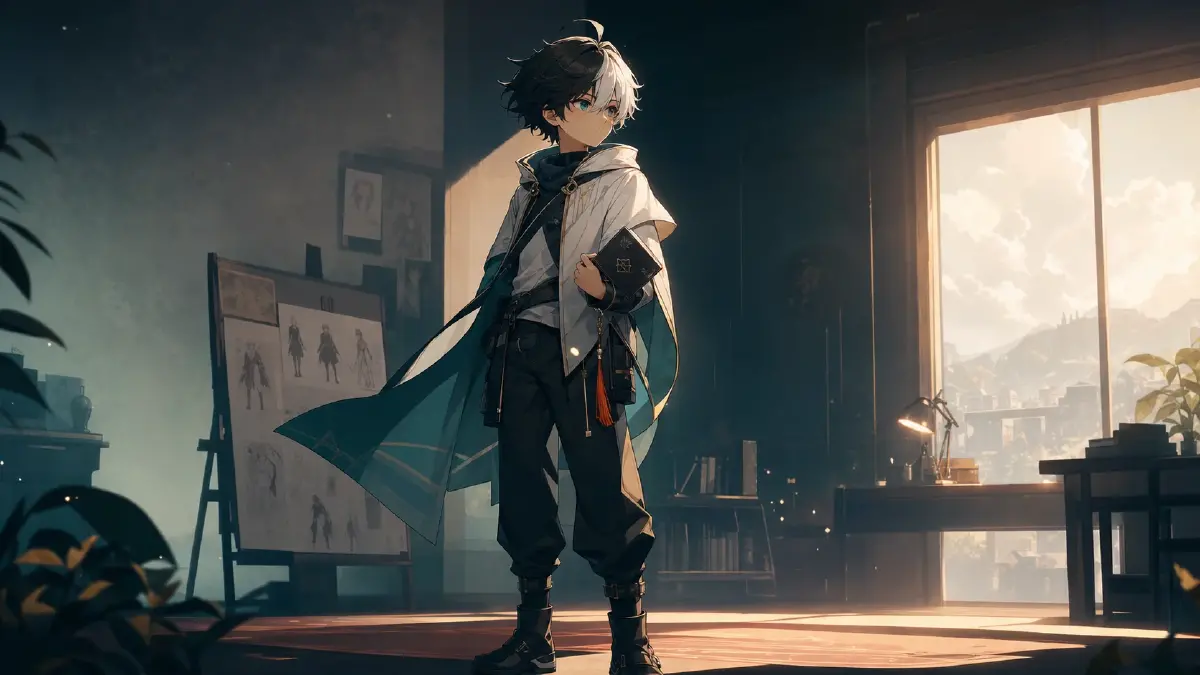
Most anime OC maker workflows stop at a good-looking character image. That is enough for an avatar. It breaks down when the same OC has to carry a three-episode AI short series, a storyboard grid, episode covers, promo frames, and an anime opening.
OC means original character. In this guide, an anime OC is a fictional, non-real-person character for an anime, manga, comic, webtoon, or short drama world. This is not a workflow for copying a real person's identity into anime style. Build from fictional anchors instead: identity, silhouette, personality pressure, backstory, relationship stakes, and continuity rules.
Quick answer
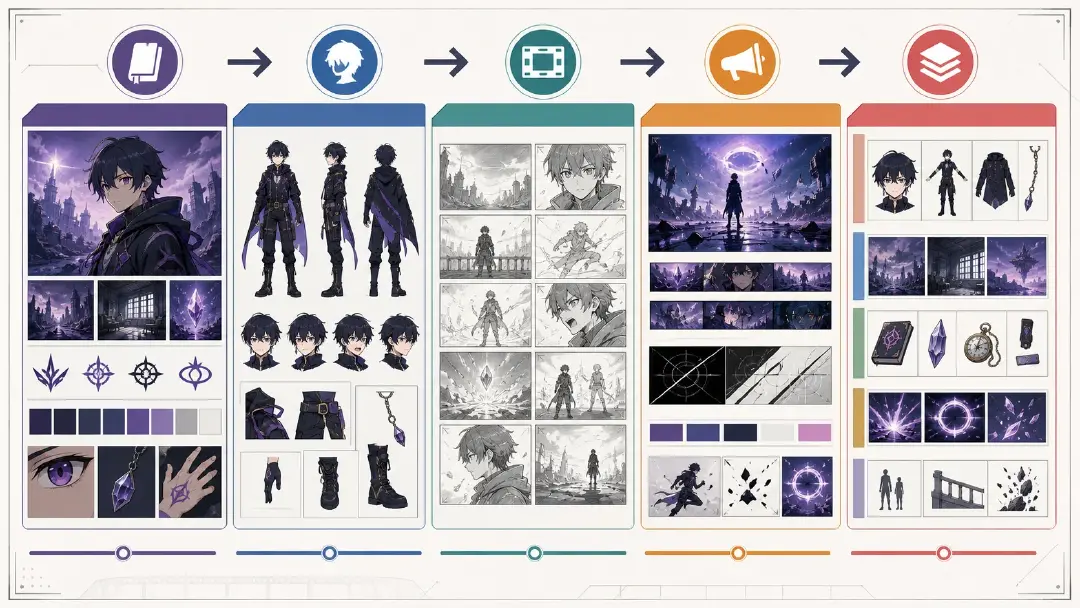
Use the anime OC maker to produce an OC bible first: fixed visual anchors, allowed variation, personality rules, backstory logic, relationship stakes, episode state changes, and visual brief formats. Then the same anime character can move from character sheet to storyboard grid, opening sequence, cover image, promo image, and video shot plan without being reinvented each time.
For AI anime, anime short series, character creation, or character consistency work, the important question is the same: can this character survive more than one asset? A single avatar can be loose. A series character needs a full-body sheet, storyboard plan, opening brief, and continuity checks before image or video generation.
Start with an OC bible, not a one-line prompt
Most character maker anime tools encourage a fast prompt: hair color, outfit, eye color, mood, and style. That can work for one image. It is too weak for a short series.
When the task is to create anime character material for production, write the first prompt as a rule set, not a style wish. Name the silhouette, color motif, outfit range, expression range, prop, and pressure behavior. Those details give later boards and covers something to preserve.
For serialized work, the first artifact is the OC bible. It answers the questions that later tools keep asking:
- What never changes about this character?
- What can vary between episodes, emotions, and outfits?
- What is the backstory pressure that drives the character?
- Which prop, mark, color, or silhouette makes the OC recognizable?
- How does the character react under stress?
- Which relationships change the way the character is framed?
- Which continuity state must the next storyboard, cover, or video shot preserve?
This is the point where an anime OC maker stops being an avatar toy and becomes production memory. If the next scene cannot reuse the same hair, outfit, and prop rules, the prompt is too thin for series work.
Match the asset to the job
Anime OC work can mean several different production jobs. Sometimes you only need a profile image. Sometimes you need a full-body sheet, a backstory pressure map, or a character who can survive storyboards, covers, openings, and video shots.
| Production need | Decide first | Useful artifact |
|---|---|---|
| A new original character | fixed visual traits and personality pressure | OC bible plus first character sheet |
| A reusable cast member | identity, behavior, and relationship rules | series character rules |
| Visual exploration | design direction and allowed variation | controlled concept sheet |
| Full-body reference | outfit, silhouette, pose, and proportion | full-body character sheet |
| Backstory | wound, desire, secret, goal, and contradiction | backstory pressure map |
| World connection | where the OC belongs and what scenes they unlock | scene-ready lore notes |
| Opening sequence | cast order, world motif, and first hook | opening beat list and shot plan |
Do not flatten these into one generic "make an anime character" brief. A full-body sheet should solve pose, outfit, and silhouette. Backstory notes should explain why the character acts this way. Opening notes should decide what viewers notice first.
The anime OC production workflow
Use this order when the OC is meant for a short series:
- Define the series premise and genre promise.
- Write the OC's role in the story: lead, rival, mentor, trickster, villain, mascot, or witness.
- Lock visual anchors: face shape, hair silhouette, color motif, outfit range, prop, mark, or non-human feature.
- Write personality as pressure behavior, not adjectives.
- Build backstory as a production rule: wound, desire, secret, contradiction, and choice pattern.
- Define relationship stakes with the other main characters.
- Create a full-body character sheet and expression range.
- Turn the first scene into a storyboard grid.
- Create an anime opening beat list only after the cast hierarchy is clear.
- Review every generated asset against the OC bible before using it downstream.
This keeps the OC from becoming a loose prompt fragment.
Anime OC maker vs character sheet vs storyboard
These assets work together, but they are not the same thing.
| Asset | Main question | When to use it |
|---|---|---|
| OC bible | Who is this character and what must not drift? | Before image or video generation |
| Character sheet | What does this character look like from useful angles and expressions? | After identity rules are clear |
| Backstory map | What pressure makes the character act this way? | Before writing episodes |
| Storyboard grid | What happens in this scene, in what visual order? | After character and scene rules are ready |
| Anime opening brief | How should the series introduce its world, cast, mood, and hook? | After the core cast and conflict are stable |
If the character sheet comes before the OC bible, the design may look strong but fail as soon as the story changes.
How to write a useful anime OC backstory
A good OC backstory is not a paragraph of lore. It gives the story engine pressure.
Use this compact structure:
| Field | Example production question |
|---|---|
| Wound | What past event still changes the character's choices? |
| Desire | What does the OC actively want in episode 1? |
| Fear | What outcome makes the character avoid the honest choice? |
| Secret | What does the audience or another character not know yet? |
| Contradiction | What makes the OC emotionally interesting instead of flat? |
| Trigger | What makes the character break their normal pattern? |
| Arc signal | What visual or behavioral change shows growth across episodes? |
This gives an OC backstory generator a better target. Instead of asking for a generic tragic past, ask for rules that later scenes, storyboards, and video briefs can use.
Full-body anime character maker checklist
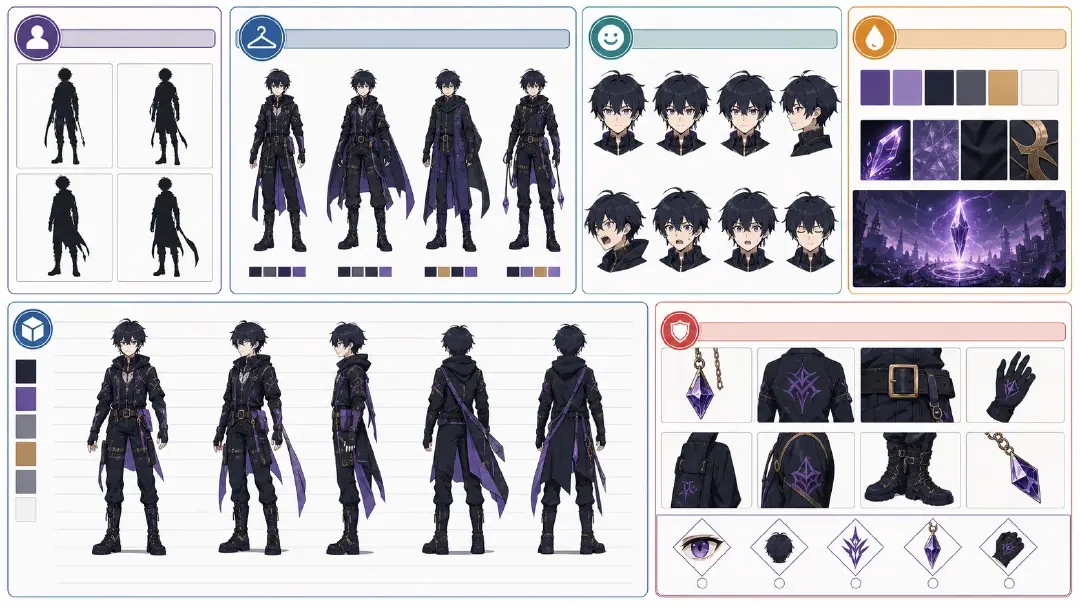
When the next step is a full-body anime character sheet, write a brief you can check after the image comes back.
Before generation, pin down:
- full-body silhouette that remains recognizable when small
- face and hair anchors that do not depend on one camera angle
- outfit base layer and allowed alternate outfits
- color motif that can repeat in covers and opening frames
- prop or mark with story meaning
- expression range, not only a neutral pose
- front, side, and three-quarter view if the character will appear often
- a note that the OC identity must not come from a real person's face
For a non-real-person anime OC, the last point is not a footnote. Use fictional anchors and approved style references. Do not make a real person's face the identity source.
Turning an anime OC into a short series
After the OC bible and character sheet exist, the series workflow becomes easier:
- Put the OC into a world with a premise and conflict.
- Write a first episode hook that forces a choice.
- Use the AI character bible workflow to keep identity, voice, and relationship state stable.
- Turn key scenes into a storyboard grid for AI video.
- Use a visual rendering step like the character sheet and storyboard asset workflow only after the brief is approved.
- Build an anime opening brief from the cast hierarchy, not from random cool shots.
The opening has one job: sell the show's promise quickly. Show the lead character, rival or emotional pressure, world motif, recurring visual object, action rhythm, and cliffhanger image. If the first two shots do not show the silhouette, motif, or conflict, the opening is too vague to support the series.
For a consistent anime character, keep the full-body sheet and storyboard plan together. The sheet answers what must remain recognizable. The storyboard plan answers when the viewer should notice each anchor. If those two files disagree, fix the character rules before generating more panels.
Anime opening brief template
Use this template when the target brief is an anime opening or intro for the series.
| Opening beat | What to specify |
|---|---|
| First image | The OC's silhouette, motif, or world symbol |
| Cast reveal | Who appears first, second, and last |
| Conflict image | The relationship pressure or villain force |
| Motion language | Push-in, pan, running shot, falling object, reveal, hold |
| Color shift | How the mood changes across the sequence |
| Signature prop | Object or mark that links to the backstory |
| Final hook | The image that makes the viewer want episode 1 |
Do not ask the video model to invent all of this at once. Pick the beats from the OC bible and episode premise first.
Where Arcloop fits
Arcloop is built around screenplay-first and world-first production. For anime OC work, that means the character belongs to a world before it belongs to a prompt. A creator can start from Arcloop Worlds, define the story container, attach characters, then move toward episodes, storyboards, visual assets, and video planning.
The useful constraint is simple: do not treat the anime OC as a one-off prompt. Treat it as reusable production memory, so the character can support short episodes, covers, opening sequences, promo images, and future branches. If the second asset already contradicts the OC bible, stop and update the bible before generating more.
FAQ
What is an anime OC maker?
An anime OC maker helps create an original anime-style character. For short series production, it defines identity, visual anchors, personality pressure, backstory, relationships, and continuity rules, not only a single avatar image.
What does OC mean in anime?
OC means original character. It usually refers to a fictional character created by a fan, writer, artist, or studio rather than an existing canon character.
Should I generate the character image first?
Not for a series. Start with a lightweight OC bible, then render a character sheet. This makes the image easier to review and reuse.
How do I make a full-body anime character for AI video?
Define fixed visual anchors, outfit range, silhouette, expression range, and allowed variation first. Then generate a full-body character sheet from those rules.
How do I turn an anime OC into a short series?
Place the OC inside a world, give them a conflict, write an episode hook, create a storyboard grid, then generate visual and video assets from approved briefs.
Can I use a real person as the base for an anime OC?
For this workflow, avoid building the OC from a real person's identity. Use fictional design anchors, story rules, and approved style references instead.